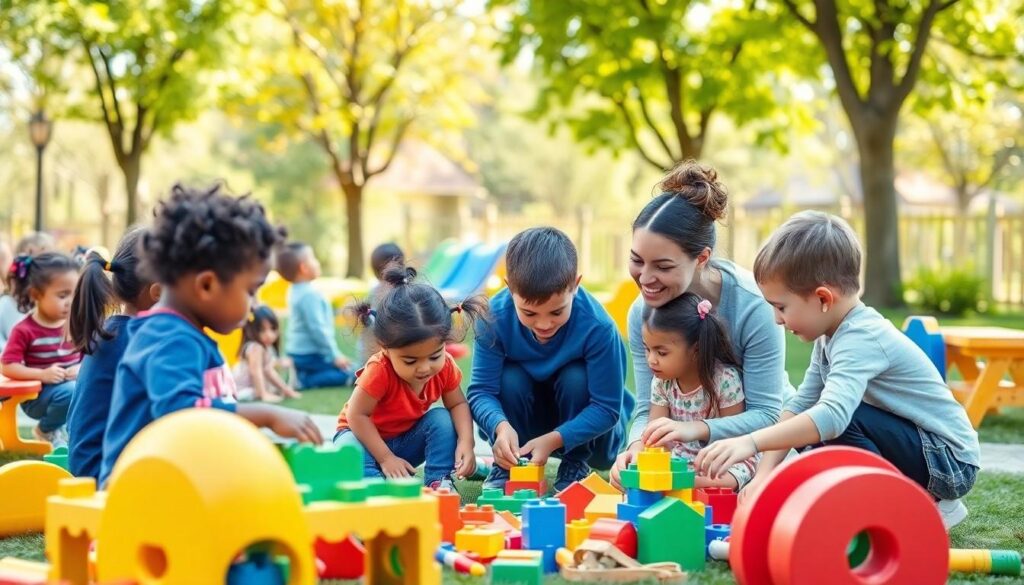

In the bustling world of early childhood education, Pennsylvania’s early learning standards stand out like a superhero in a crowd of ordinary folks. These standards aren’t just guidelines; they’re the secret sauce that helps little learners thrive. Imagine a roadmap designed to ensure every child, from toddlers to pre-K, gets the best start possible. It’s like giving them a head start in a race where everyone else is still tying their shoelaces.
Overview of PA Early Learning Standards
Pennsylvania’s Early Learning Standards play a pivotal role in guiding early childhood education. These standards focus on essential areas of child development including social, emotional, cognitive, and physical growth. They ensure that children develop necessary skills and knowledge before entering primary school.
Designed for children from birth to age five, these standards address the diverse needs of all learners. They provide educators with clear expectations for what children should know and be able to do at various developmental stages. By establishing benchmarks, these standards promote consistent teaching practices across early childhood education programs.
Implemented statewide, the standards help to enhance the quality of early learning environments. They encourage collaboration among families, educators, and communities. Such partnerships foster a supportive learning atmosphere that benefits young children.
Each area of development outlined in the standards includes specific goals and objectives. For instance, social-emotional standards emphasize the importance of relationships and self-regulation skills. Cognitive standards focus on problem-solving, literacy, and numeracy development.
Resources, tools, and training opportunities accompany the standards to aid educators in effective implementation. Continuous professional development ensures educators remain informed about best practices. Regular assessments align with these standards to monitor children’s progress and inform instruction.
Ultimately, Pennsylvania’s Early Learning Standards establish a foundation for lifelong learning. They prepare children for future academic and social successes by emphasizing critical learning experiences during their formative years.
Importance of Early Learning Standards

Early Learning Standards are crucial in shaping quality early childhood education. These standards ensure equitable development for all children, providing the guidance needed to promote holistic growth.
Developmental Milestones
Developmental milestones serve as benchmarks within Pennsylvania’s Early Learning Standards. Educators track specific growth areas, such as language acquisition, social skills, and motor coordination. Clear expectations help teachers identify children’s progress and tailor their instruction accordingly. Families can also understand these milestones, enabling them to support their child’s development at home. Resources accompanying the standards further clarify these milestones, ensuring that educators effectively address each child’s unique needs. This structured approach creates a comprehensive learning environment that nurtures early development.
Impact on Educational Outcomes
Educational outcomes benefit significantly from implementing early learning standards. Evidence indicates that children exposed to these standards show improved academic performance in later years. Enhanced social skills and emotional well-being accompany strong foundational learning, supporting overall development. Educators who follow the standards utilize consistent teaching methods, promoting effective learning experiences for every child. Communities also see positive impacts, as collaborative efforts between families and schools enrich children’s learning environments. Ultimately, early learning standards play an essential role in setting the stage for lifelong academic success and personal growth.
Key Components of PA Early Learning Standards
Pennsylvania’s Early Learning Standards encompass several key components that shape effective early childhood education. Understanding these components aids in the consistent development of young learners.
Domains of Learning
Domains of learning include essential areas where children grow, such as social, emotional, cognitive, and physical development. Each domain contains specific goals that support holistic growth. Social-emotional standards focus on nurturing relationships and developing self-regulation. Cognitive standards emphasize skills in problem-solving, literacy, and numeracy, essential for academic success. The physical domain targets motor skills and overall health, promoting active lifestyles. These domains guide educators in crafting comprehensive teaching strategies that cater to diverse learning needs.
Age-Appropriate Practices
Age-appropriate practices align with children’s developmental stages, ensuring effective learning experiences. Implementation of these practices considers varied learning paces and styles. Teachers utilize hands-on activities, play-based learning, and collaborative projects to engage young learners. Monitoring children’s progress through developmentally appropriate assessments helps identify specific needs and strengths. Families can actively participate by supporting learning at home, reinforcing skills through everyday interactions. Prioritizing these practices fosters a supportive learning environment conducive to each child’s growth and development.
Implementation Strategies
Implementation of Pennsylvania’s Early Learning Standards requires structured strategies for effective integration in early childhood education.
Training for Educators
Educators benefit from targeted training that equips them with necessary skills and knowledge. Workshops and professional development programs focus on key areas like understanding developmental milestones and effective pedagogical approaches. Regular sessions provide opportunities for collaboration, enabling teachers to share successful practices and resources. Additionally, mentorship programs can pair experienced educators with those newer to the field, fostering an environment of continuous learning. Access to online courses expands their training options, enhancing their capacity to meet diverse learner needs. Integrating practical examples during training supports the application of these standards in everyday classroom settings.
Resources for Parents and Caregivers
Parents and caregivers play a crucial role in supporting children’s development alongside educators. Informative resources are available to guide them in understanding the Early Learning Standards and their significance. Workshops and informational sessions help parents learn effective strategies for reinforcing classroom concepts at home. Additionally, online materials provide tips on activities that promote social, emotional, cognitive, and physical growth. Community partnerships create outreach programs that connect families with local support services. Such resources empower parents to actively engage in their child’s learning journey, ensuring consistency between home and educational environments. Together, these initiatives strengthen the cooperative efforts between families and early education providers.
Pennsylvania’s Early Learning Standards are vital for fostering a strong foundation in early childhood education. By setting clear developmental benchmarks, these standards ensure that every child receives the support they need for holistic growth. The emphasis on collaboration among families, educators, and communities creates an enriching environment that enhances learning experiences.
As educators implement these standards, they not only promote effective teaching practices but also empower families to engage in their child’s development actively. This partnership ultimately leads to improved educational outcomes and prepares children for future success. The commitment to quality early learning through these standards reflects a dedication to nurturing the potential of every young learner in Pennsylvania.