

In the bustling world of early childhood education, Illinois stands out with its robust Early Learning Standards. These guidelines aren’t just a set of rules; they’re a roadmap to nurturing young minds. Think of them as the secret sauce that helps educators whip up a delightful learning experience for children. After all, who wouldn’t want their little ones to thrive in a fun and engaging environment?
Overview of Illinois Early Learning Standards
Illinois Early Learning Standards serve as foundational guidelines for early childhood education. These standards aim to enhance the quality of learning experiences for young children.
Purpose and Importance
The purpose of the Illinois Early Learning Standards is to establish clear expectations for children’s development and learning. These guidelines support educators in crafting effective curricula that respond to children’s needs. Importance lies in their role in promoting school readiness and holistic development. High-quality standards foster equitable learning environments for all children. Additionally, these standards guide assessments to better understand children’s progress and growth.
Key Components
Key components of the Illinois Early Learning Standards include a focus on various developmental domains. Areas such as social-emotional, physical, cognitive, and language development are emphasized. These domains allow educators to create comprehensive learning experiences. Standards also highlight the significance of family engagement in supporting children’s learning. Collaborating with families strengthens the educational experience. Finally, cultural responsiveness ensures that diverse backgrounds are acknowledged and integrated into learning.
Domains of Learning
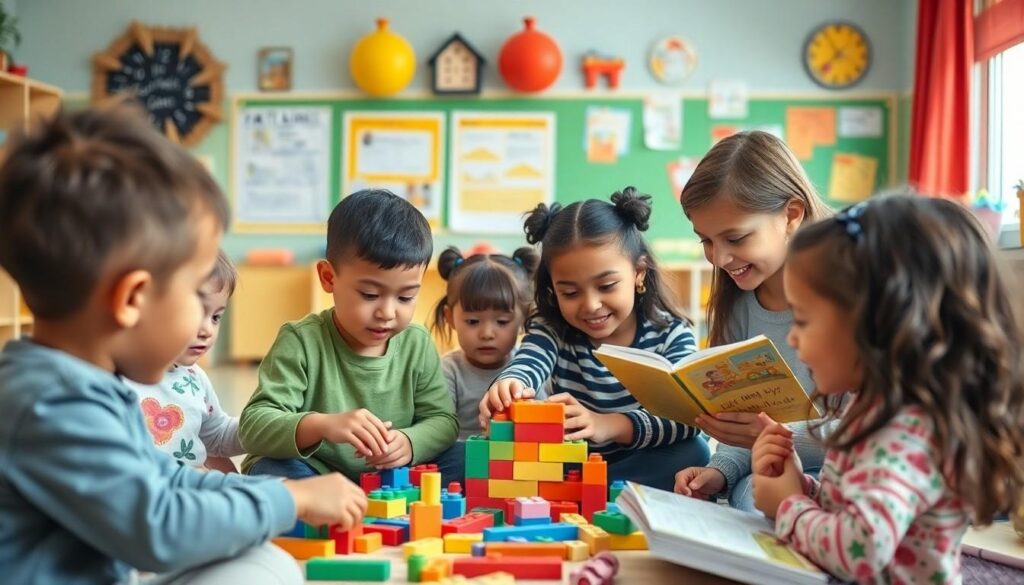
Illinois Early Learning Standards encompass several developmental domains, promoting comprehensive growth for young children. Each domain addresses specific areas vital for school readiness and personal development.
Social and Emotional Development
Social and emotional development focuses on children’s ability to express feelings and manage relationships. Children gain skills in recognizing emotions and developing empathy. They learn to cooperate with peers, resolve conflicts, and build strong relationships with adults. Through structured activities, educators create environments where children feel safe to express themselves. This domain highlights the importance of fostering self-regulation and positive social interactions.
Language and Literacy Development
Language and literacy development emphasizes the acquisition of communication skills. Children engage in activities that promote listening, speaking, reading, and writing. Exposure to diverse vocabulary and storytelling enhances their language abilities. Educators encourage children to interact with books and other print materials to build foundational literacy skills. This domain cultivates a love for reading, vital for academic success.
Cognitive Development
Cognitive development encompasses the processes involved in thinking, learning, and problem-solving. Children explore concepts through hands-on activities and play, stimulating critical thinking. They learn to classify objects, understand cause and effect, and develop attention span. Educators facilitate inquiry-based learning, allowing children to ask questions and seek solutions. This domain supports curiosity and intellectual engagement.
Physical Development and Health
Physical development and health address children’s gross and fine motor skills. Activities such as climbing, running, and drawing enhance their physical abilities. Attention to nutrition and wellness promotes healthy lifestyles. Educators provide opportunities for physical activity and cultivate an awareness of health and safety practices. This domain prioritizes the importance of coordination and overall well-being in early childhood.
Implementation Strategies
Implementing Illinois Early Learning Standards requires careful planning and involvement from educators and families. Effective strategies foster collaboration and support throughout the early learning environment.
Educator Training and Support
Training equips educators with the knowledge needed to integrate the standards effectively. Training sessions should focus on best practices for curriculum development, assessment techniques, and addressing diverse learning needs. Regular professional development opportunities enhance teachers’ skills and maintain their engagement. Support networks can also be established, enabling educators to share insights and strategies while collaborating on challenges. Feedback loops should facilitate ongoing performance improvements, ensuring that educators remain skilled in fostering children’s holistic development.
Family Engagement
Family engagement enhances children’s learning experiences by creating a collaborative environment between home and school. Schools must encourage families to participate in educational activities and programs, strengthening the connection to the standards. Workshops that educate families on the importance of early childhood education can empower them to support their children’s learning at home. Regular communication through newsletters, conferences, and family events helps maintain an ongoing dialogue. Providing resources and tools enables families to reinforce learning and growth, promoting children’s social-emotional, cognitive, and physical development.
Assessment and Evaluation
Assessment and evaluation play a critical role in measuring children’s progress within the Illinois Early Learning Standards. Understanding where each child stands helps educators tailor instruction effectively.
Tools and Methods
Various tools and methods support assessment in early childhood education. Observational assessments capture children’s interactions and behaviors during play. Checklists streamline the evaluation of skills tied to specific learning goals. Additionally, portfolios compile children’s work samples showcasing their growth over time. Teachers often use anecdotal records to document significant moments that highlight children’s development. These assessment methods guide educators in adjusting teaching strategies to meet individual needs.
Alignment with Standards
Alignment with Early Learning Standards ensures assessments reflect children’s development accurately. Educators must connect assessment practices with specific learning goals outlined in the standards. This connection provides a clear framework for evaluating children’s skills across various domains. By aligning assessments with the standards, educators can identify strengths and areas needing improvement. Furthermore, this alignment supports meaningful feedback for families, fostering engagement in their children’s learning journey.
Future Directions
Future directions for Illinois Early Learning Standards focus on enhancing educational quality and ensuring equitable access for all children. Proposed changes highlight the need for continuous updates and enhancements based on the latest research and best practices.
Proposed Changes
Schools may implement revisions to the learning standards to reflect emerging educational trends. Expanding curriculum guidelines could account for advancements in technology and shifting societal needs. Integration of diverse learning styles ensures teachers can meet individual student requirements effectively. Increasing emphasis on inclusive practices will promote participation among children with diverse abilities. Adjustments will enhance educators’ ability to deliver personalized learning experiences that align with children’s unique developmental needs.
Strengthening Partnerships
Establishing stronger partnerships among educators, families, and community organizations is essential. Collaborative initiatives can enhance support for children’s learning before and after school. Engaging families in decision-making processes builds trust and improves educational outcomes. Community organizations may provide additional resources and expertise, bridging gaps in services. Investing time in these partnerships cultivates a supportive network that positively influences children’s growth and development, meeting the objectives outlined in the Illinois Early Learning Standards.
The Illinois Early Learning Standards play a pivotal role in shaping the educational landscape for young children. By providing clear guidelines that focus on multiple developmental domains, these standards ensure that educators can create enriching learning environments. The emphasis on family engagement and cultural responsiveness further enhances the quality of education, making it accessible and equitable for all children.
As the educational landscape continues to evolve, ongoing collaboration among educators, families, and communities will be essential. This partnership not only supports children’s growth but also strengthens the foundation for their future success. Investing in these standards and their implementation is crucial for fostering a generation of learners who are well-prepared for the challenges ahead.