
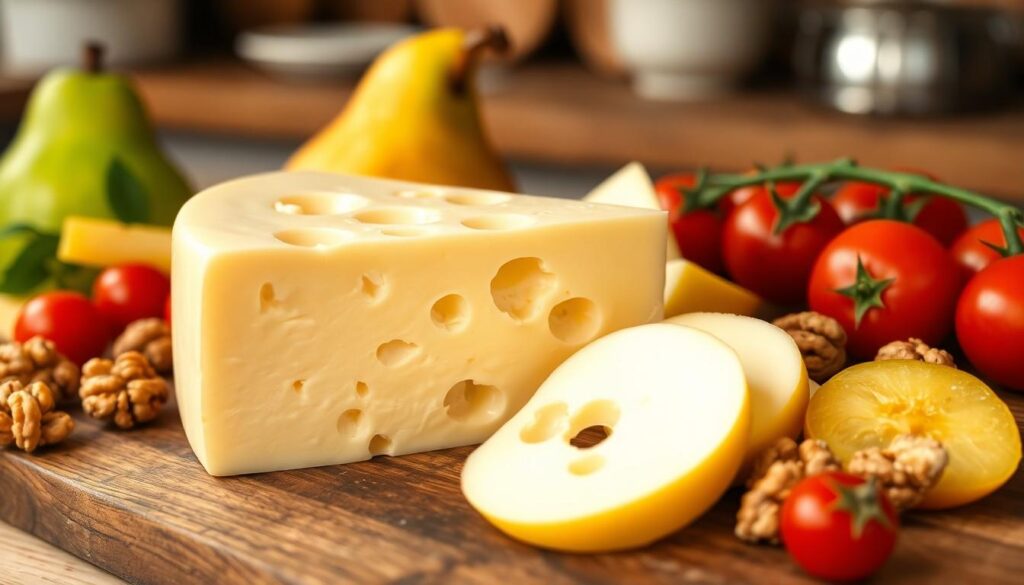

When it comes to cheese, baby Swiss is the adorable little sibling everyone loves. With its mild flavor and signature holes, it’s not just a delightful addition to sandwiches; it’s also a nutritional powerhouse. Packed with protein and calcium, this creamy delight can make your taste buds dance while boosting your health. Who knew that a cheese with such a playful name could pack such a serious punch?
But wait, there’s more! Baby Swiss isn’t just about being cute and tasty. It offers essential vitamins and minerals that can support bone health and muscle function. So, whether you’re indulging in a late-night snack or crafting a gourmet cheese board, baby Swiss cheese can be a delicious way to sneak in some nutrition. Let’s dive deeper into the cheesy goodness and discover why this little gem deserves a spot in your fridge.
What Is Baby Swiss Cheese?
Baby Swiss cheese is a type of cheese recognized for its mild, nutty flavor and characteristic holes. This beloved cheese hails from Switzerland and is produced similarly to traditional Swiss cheese but with a shorter aging process. Less aging results in a softer texture and creamier mouthfeel, making it an appealing option for various dishes.
Cheesemakers usually create baby Swiss from cow’s milk, which provides it with a rich source of protein and calcium. With these nutrients, baby Swiss supports bone health and promotes muscle function. Often enjoyed in sandwiches or as a snack, this cheese pairs well with a variety of fruits, vegetables, and crackers.
Vitamins and minerals in baby Swiss enhance its nutritional profile. It contains significant amounts of vitamin B12, which is essential for nerve function and blood cell production. Additionally, baby Swiss offers phosphorus, playing a vital role in energy production and maintaining strong bones.
The unique texture and flavor of baby Swiss cheese set it apart from other cheese varieties. Its mild taste appeals to both children and adults, contributing to its popularity in family meals. This cheese also melts well, becoming a delightful addition to casseroles, omelets, and burgers.
Incorporating baby Swiss cheese into a diet promotes a balanced intake of essential nutrients. Chefs often use it on gourmet cheese boards, allowing it to shine alongside other cheeses and charcuterie. Given its versatility, baby Swiss remains a favorite choice for any cheese lover.
Nutritional Profile of Baby Swiss Cheese

Baby Swiss cheese offers a balanced mix of macronutrients and micronutrients that contribute to overall health. This delightful cheese not only pleases the palate but also supports nutritional needs.
Macronutrients
Baby Swiss cheese primarily contains protein, fat, and carbohydrates. One ounce typically holds around 7 grams of protein, which promotes muscle growth and repair. Fat content averages about 7 grams, crucial for energy and supporting cell function. Carbohydrates remain low, contributing roughly 1 gram per ounce, making it suitable for various dietary preferences, including low-carb plans.
Micronutrients
Baby Swiss cheese provides essential vitamins and minerals that support well-being. It contains significant amounts of calcium, around 200 milligrams per ounce, promoting bone strength and density. Vitamin B12 plays a key role in nerve function, with each ounce offering about 0.8 micrograms. Phosphorus also appears prominently, contributing approximately 150 milligrams per serving, important for energy production and usage. Other micronutrients include magnesium and zinc, enhancing its health benefits.
Health Benefits of Baby Swiss Cheese
Baby Swiss cheese offers several significant health benefits due to its rich nutritional profile. Its protein and calcium content play crucial roles in supporting overall health.
Bone Health
Calcium content in baby Swiss cheese directly contributes to strong bones. One ounce contains about 200 milligrams of calcium, essential for maintaining bone density and preventing osteoporosis. This cheese also provides phosphorus, approximately 150 milligrams per ounce, which works in conjunction with calcium for optimal bone health. Vitamin B12, present in baby Swiss, supports bone integrity as well, contributing to cell production and maintenance. Regular consumption of this cheese helps ensure adequate intake of these vital nutrients, promoting long-term bone strength.
Heart Health
Heart health benefits from the consumption of baby Swiss cheese as well. The healthy fats found in this cheese offer a moderate source of energy, with seven grams of fat per ounce. This cholesterol-friendly option contains beneficial fatty acids that can support cardiovascular functions. Magnesium, another micronutrient in baby Swiss, aids in regulating blood pressure. It also contains low levels of carbohydrates, making it a heart-healthy snack choice. By incorporating baby Swiss cheese into a balanced diet, individuals can support their heart health while enjoying its delicious flavor.
How to Incorporate Baby Swiss Cheese into Your Diet
Baby Swiss cheese offers versatility in meals and snacks. Integrating this cheese into daily eating habits can enhance flavor and nutrition.
Recipes and Pairings
Incorporating baby Swiss cheese into recipes adds a creamy texture and mild flavor. Pair it with slices of ripe pear and walnuts for a delightful salad. Try melting it over grilled chicken for an elegant twist on a classic dish. Combine baby Swiss with sautéed spinach and mushrooms for a tasty omelet filling. For a simple snack, serve cheese cubes alongside whole grain crackers and cherry tomatoes. These pairings elevate meals and provide a variety of nutrients.
Serving Suggestions
Serving suggestions for baby Swiss cheese abound. Cut the cheese into cubes for easy snacking during gatherings. Use slices to enhance a sandwich, complementing turkey or ham with its nutty taste. Melt it in quesadillas for a flavorful, cheesy experience. Mixing shredded baby Swiss cheese into pasta dishes increases creaminess while providing essential nutrients. Presentation can make a difference, so consider arranging cheese on a gourmet cheese board with assorted fruits, nuts, and vegetables to create an appealing visual feast.
Baby Swiss cheese stands out not just for its delightful taste but also for its impressive nutritional profile. With a combination of protein calcium and essential vitamins it offers significant health benefits. This cheese can play a vital role in supporting bone health and muscle function while also contributing to heart health.
Incorporating baby Swiss into meals and snacks adds both flavor and nutrition. Whether enjoyed in a gourmet cheese board or as part of a simple sandwich it proves to be a versatile ingredient. Embracing baby Swiss cheese could be a delicious way to enhance dietary choices and promote overall well-being.