
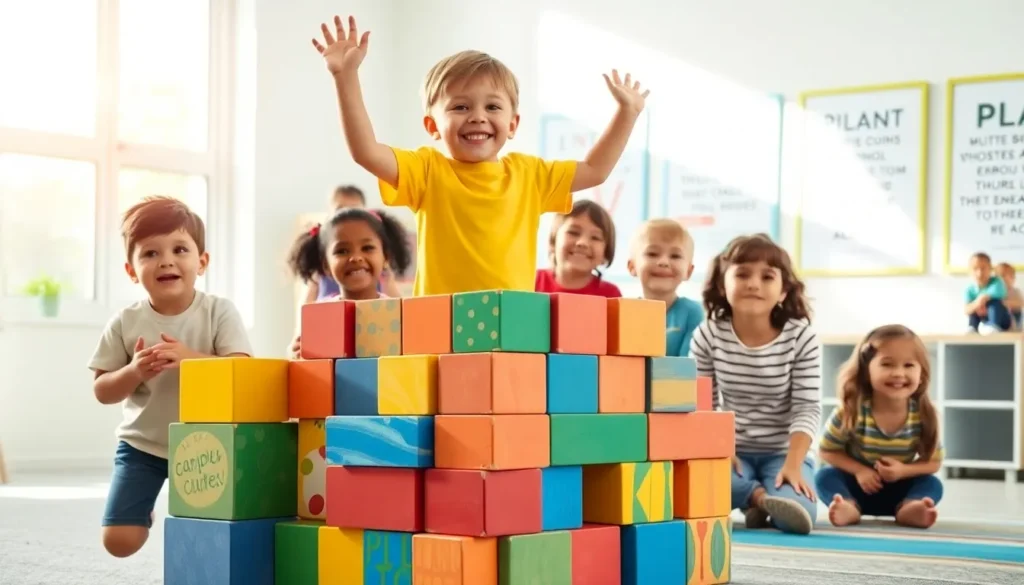

When it comes to early childhood, play is often heralded as the magic ingredient that sparks joy and learning. Ever seen a toddler turn a simple cardboard box into a pirate ship? Or watched as a group of kids builds a fort that rivals the Taj Mahal? It’s not just play: it’s essential development. As they jump into these imaginative worlds, they’re not just having fun, they’re learning. Jump into these delightful early childhood quotes about play and discover why it deserves a spotlight.
The Importance of Play in Early Childhood Development
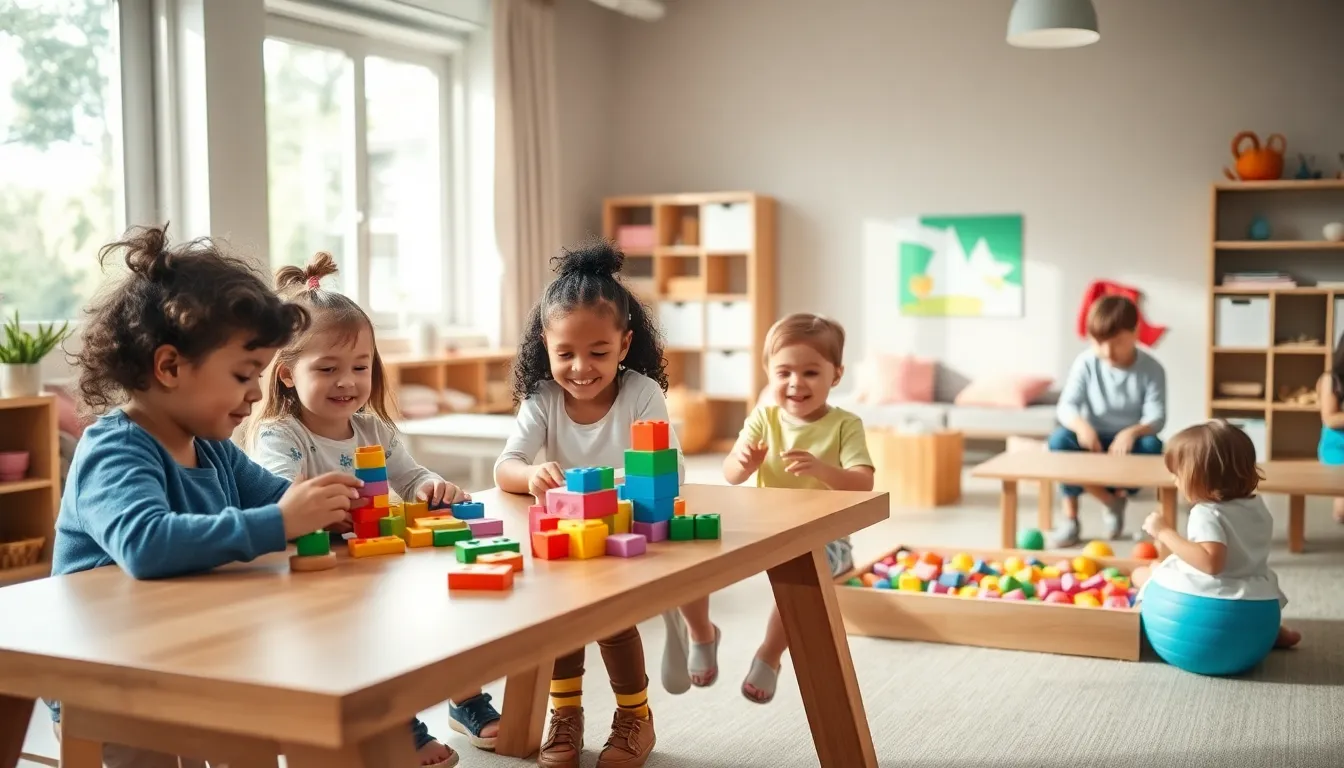
Play serves as the foundation for early childhood development. It goes beyond mere enjoyment, playing a critical role in emotional, social, and cognitive growth. Engagement in play activities can enhance problem-solving skills and foster creativity. Research has shown that children who are allowed to play freely develop better social skills and are more adaptable. The magical moments captured during playtime serve as the canvas on which children paint their understanding of the world.
Also, through play, children are able to navigate their emotions and express themselves. This interaction helps them build relationships and develop empathy. When children engage in group play, they learn to cooperate, share, and resolve conflicts. Essentially, play is not just important: it is a fundamental component of healthy development, equipping youngsters with tools they will use throughout their lives.
Famous Quotes That Celebrate Play
When influencing perspectives on the essence of play, certain quotes resonate deeply. These words from renowned figures highlight its value:
- “Play is the highest form of research.” – Albert Einstein
- “Children learn as they play. Most importantly, in play, children learn how to learn.” – O. Fred Donaldson
- “Play gives children a chance to practice what they are learning.” – Mr. Rogers
Such powerful statements capture the quintessence of play in childhood development. They emphasize how play acts as a vehicle for exploration, allowing children to absorb knowledge both formally and informally.
How Play Supports Learning
Play is an effective teacher, guiding children through various learning experiences. Cognitive skills flourish during playtime. Simple activities such as building blocks or assembling puzzles help develop logical thinking. Besides, imaginative play allows children to experiment with different roles and scenarios, boosting their social skills and emotional intelligence.
Different types of play, structured, unstructured, cooperative, each serve unique purposes in the learning process. For example, structured play often involves games with rules, fostering critical thinking and adherence to guidelines. On the other hand, unstructured play lets kids explore their interests, driving self-regulation and personal initiative. Eventually, each play moment contributes significantly to a child’s holistic development.
Quotes from Educators and Child Development Experts
The educational field is rich with insights from those who advocate for play-based learning. Notable educators have shared their wisdom:
- “The only way to have a friend is to be one.” – Ralph Waldo Emerson, emphasizing the social aspect of play.
- “Children are made readers on the laps of their parents.” – Emilie Buchwald, pointing out how shared play with parents can promote learning.
- “In every job that must be done, there is an element of fun.” – Mary Poppins, showcasing creativity in the mundane.
These quotes reinforce the belief that play is a powerful tool for learning, bridging the gaps between emotions and intellect.
Incorporating Play into Daily Routines
Making play a priority can seamlessly fit into everyday life. Families can create intentional play moments. Consider the following strategies to incorporate more play into daily routines:
- Play Dates: Host regular gatherings that allow children to interact through play.
- Outdoor Adventures: Transform routine outings into scavenger hunts or obstacle courses, encouraging exploration.
- Building Projects: Involve children in simple home improvement tasks, framing them as fun challenges to work together on.
- Imaginative Play: Encourage roles in play acting, storytelling, or puppetry during quiet times.
In each of these moments, the goal is to embrace creativity, allowing children to lead the way and discover the joys of play.