
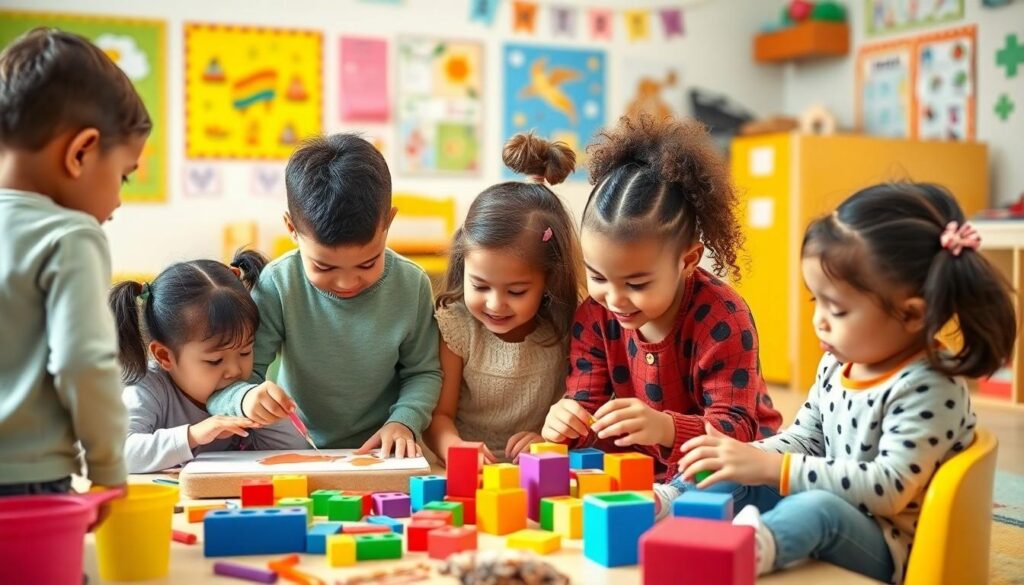

In a world where toddlers can master smartphones faster than most adults, the importance of early learning has never been clearer. It’s not just about teaching kids their ABCs or how to count to ten; it’s about igniting a lifelong passion for learning. Imagine a place where curiosity reigns supreme, where little minds explore, create, and discover the world around them—sounds like a dream, right?
Experience early learning, and you’ll witness the magic unfold. The right environment can turn playtime into a thrilling adventure, sparking creativity and critical thinking in ways that traditional classrooms can’t. So buckle up, because this journey into early education is not just enlightening—it’s downright fun! Let’s dive into the wonders of nurturing young minds and discover how these formative years can set the stage for a lifetime of success.
Understanding Experience Early Learning
Experience early learning encompasses a holistic approach to education in children, fostering curiosity and a love for learning. This stage plays a crucial role in shaping cognitive, social, and emotional development.
Definition and Importance
Experience early learning refers to educational opportunities designed for children, typically from birth to age eight. Such experiences encourage exploration through play, storytelling, and hands-on activities. Research indicates that 90% of a child’s brain develops by age five, making this period critical for learning. Engaging with diverse learning methods helps children build foundational skills and promotes lifelong educational enthusiasm. Prioritizing early learning experiences ensures children develop confidence and the capacity to express ideas clearly.
Key Elements of Early Learning Experiences
Key elements characterize effective early learning experiences. First, a nurturing environment supports exploration and creativity. Second, interactive activities foster social skills and collaboration among peers. Third, sensory experiences, such as outdoor play and art projects, stimulate physical and cognitive development. Fourth, inclusivity addresses diverse learning needs, allowing every child to participate fully. Lastly, ongoing assessment helps educators tailor experiences to individual progress. Integrating these elements creates a rich foundation for lifelong learning.
Benefits of Experience Early Learning

Experience early learning offers numerous advantages that contribute significantly to a child’s growth. Engaging in various interactive activities lays the groundwork for essential skills.
Cognitive Development
Cognitive development flourishes during the early learning phase. Around 90% of a child’s brain forms by age five, making this period critical. Exposure to hands-on activities and creative play enhances problem-solving abilities and boosts curiosity. Children engage in storytelling that nurtures language skills and comprehension. Ultimately, these experiences build a strong foundation for future academic success.
Social and Emotional Growth
Social and emotional growth occurs as children participate in collaborative activities. Working with peers fosters essential skills such as communication and teamwork. Exposure to diverse environments teaches empathy and understanding. As children share experiences, they develop confidence and resilience. An emotionally supportive atmosphere encourages them to express feelings openly. These interactions cultivate healthy relationships, benefiting overall well-being.
Techniques to Enhance Experience Early Learning
Engaging techniques can significantly improve early learning experiences. Focused strategies create dynamic environments that cultivate growth and curiosity.
Interactive Play
Interactive play fosters active engagement in learning. Children learn best through play-based activities that stimulate imagination and creativity. Examples include role-playing games, building with blocks, and art projects. These types of play promote social skills as children negotiate roles and share materials. Through these experiences, children develop critical thinking and problem-solving abilities. Providing diverse play materials expands exploration and discovery opportunities, reinforcing the joy of learning.
Structured Learning Activities
Structured learning activities offer a balanced approach to early education. Incorporating routines helps children understand expectations and transitions. Activities such as circle time, storytelling sessions, and group projects encourage cooperation and listening. These settings allow for guided instruction while still promoting independent thought. Additionally, hands-on learning experiences—like simple science experiments—instill a sense of wonder and curiosity. Regular assessment of progress ensures that activities remain appropriate and engaging, supporting each child’s unique learning journey.
Challenges in Experience Early Learning
Experience early learning brings unique challenges that educators and caregivers must navigate. These obstacles can impact the effectiveness of early education and hinder children’s development.
Access to Resources
Access to quality resources poses a significant challenge in early learning. Many communities lack funding for learning materials, limiting children’s exposure to educational tools. Those in low-income areas often face fewer opportunities for enriched experiences. Furthermore, inadequate access to trained professionals increases the risk of poorly guided learning. Addressing this issue requires investment in resources, such as books, educational toys, and community programs, ensuring all children can benefit equally.
Addressing Diverse Learning Needs
Addressing diverse learning needs proves challenging in early education. Every child possesses unique learning styles and abilities. Therefore, individualized approaches are essential to meet these diverse requirements. Educators often struggle to implement strategies that cater to special needs, including language barriers and varying cognitive levels. Collaboration among teachers, parents, and specialists facilitates tailored learning experiences. Additionally, professional development ensures educators are equipped to support all children effectively.
Experience early learning lays the groundwork for a child’s future success. By fostering an environment rich in exploration and creativity, children develop essential skills that extend beyond academics. The blend of interactive play and structured activities nurtures curiosity and encourages emotional growth.
As educators and caregivers embrace diverse learning methods, they create opportunities for every child to thrive. This holistic approach not only supports cognitive development but also cultivates social and emotional well-being. Investing in quality early learning experiences is crucial for shaping resilient and passionate learners who are prepared for life’s challenges.