
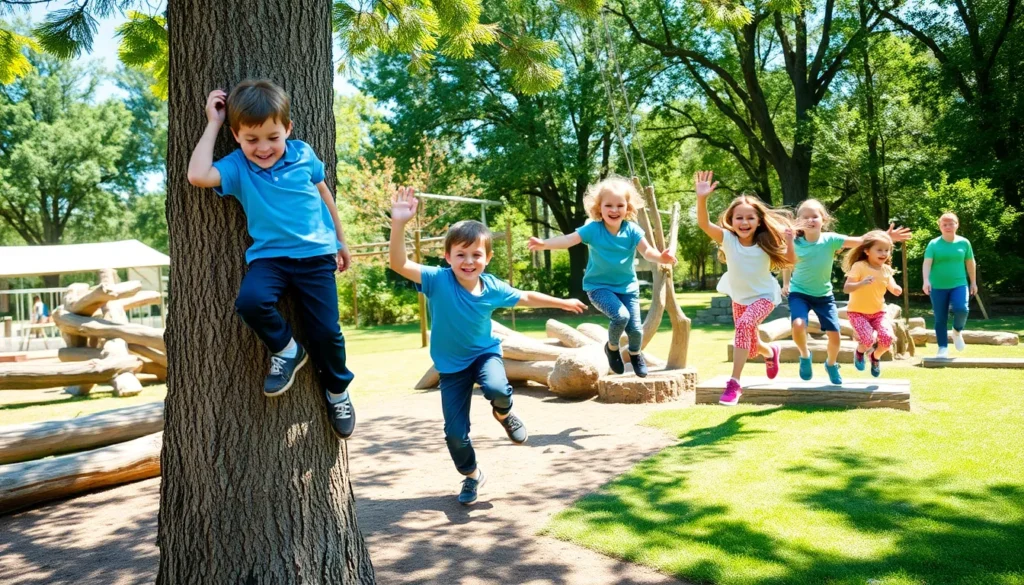

Imagine a world where children swing perilously high on the playground, climb trees like monkeys, and explore every nook and cranny of their environment. Sounds alarming? Well, that’s risky play for you. In early childhood, this type of play might seem dangerous, but it packs a powerful punch when it comes to development. Buckle up, as we jump into why indulging in a little risk can actually be beneficial for your child’s growth.
Understanding Risky Play
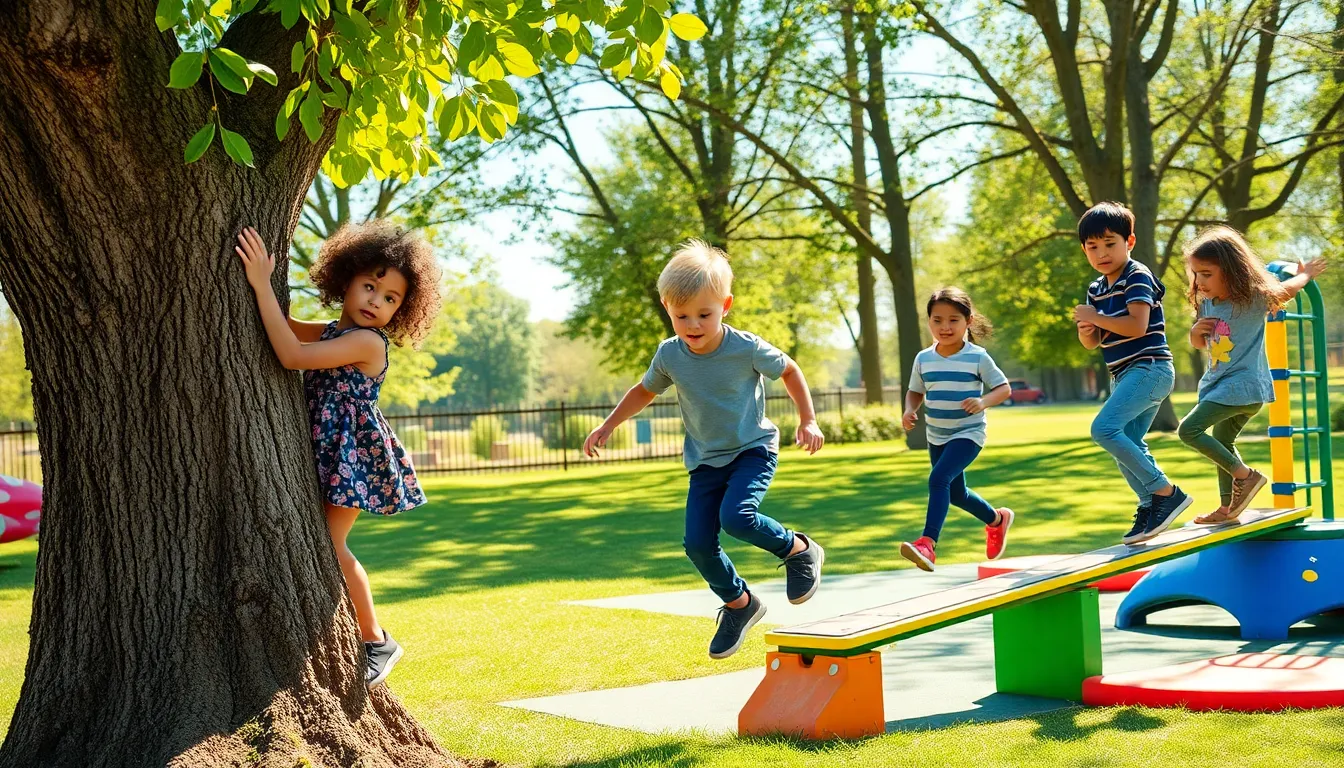
Risky play is defined as play that involves challenges or tests that may result in injury if not managed properly. Think of activities like climbing trees, jumping from heights, or navigating slippery surfaces. These experiences encourage children to assess their capabilities, weigh risks, and make informed decisions.
When kids engage in these unpredictable activities, they’re not just having fun: they are also learning essential life skills such as problem solving, resilience, and confidence. Risky play doesn’t mean recklessness: it’s about exploring boundaries while understanding personal safety.
The Importance of Risky Play in Development
Research shows that risky play is crucial for holistic development in children. It fosters physical skills, enhances cognitive development, and nurtures emotional resilience. Here’s how:
- Physical Skills: Engaging in risky activities helps children develop coordination, balance, and strength. Whether they’re climbing, running, or jumping, they’re constantly improving their motor skills.
- Cognitive Development: Risky play stimulates problem-solving skills as children navigate challenges and think critically about their actions.
- Emotional Resilience: Children encounter fears, test their limits, and learn to cope with failure and success, which builds confidence and a sense of self.
Eventually, incorporating risky play into childhood provides a foundation for lifelong skills that children will carry into adulthood.
Types of Risky Play
There are various forms of risky play, each offering unique benefits. Here are some common types:
- Height: Activities like climbing trees or playground equipment enable kids to conquer their fear of heights while developing spatial awareness.
- Speed: Running, sliding, or biking encourages children to test their limits, promoting physical fitness and coordination.
- Tools: Using simple tools or materials sparks creativity and innovation, while teaching proper usage and safety.
- Water: Splashes and water activities enhance sensory experiences while introducing children to aquatic environments.
- Rough-and-tumble: Play fighting encourages children to engage socially, teaching them boundaries and concepts of safety in a controlled environment.
All these types allow children to explore their physical and emotional boundaries while learning valuable lessons about risk.
Creating Safe Environments for Risky Play
Creating environments that promote risky play while ensuring safety is essential. Here are some strategies:
- Choose the Right Equipment: Invest in playground structures designed for challenging play experiences. Ensure they’re appropriately maintained and suited for various age groups.
- Natural Environments: Incorporate natural elements. Gardens, logs, and loose materials invite children to engage in risky play while connecting them with nature.
- Supervision: Encourage attentive adult supervision. This doesn’t mean hovering, but rather being available to step in when necessary while allowing children to explore.
- Risk Assessment: Teach children how to assess risks themselves. Discuss potential dangers and encourage them to think about safety before attempting an activity.
Balancing risk and safety allows children to enjoy the thrill of adventure while minimizing injury.
Encouraging Risky Play: Strategies for Parents and Educators
Encouraging risky play can sometimes be challenging, especially for parents and educators fearing for children’s safety. Here are effective strategies to help:
- Lead by Example: Show children that you embrace risk in a positive manner. Share stories of your own experiences that involve safe risk-taking.
- Communicate Openly: Discuss what risky play means and reassure them that it’s part of learning. Open lines of communication can help alleviate concerns.
- Set Goals: Help children set personal challenges that encourage them to engage in riskier play. Celebrate their efforts and progress, regardless of the outcome.
- Help Play Dates: Arrange playdates with peers who enjoy adventurous activities. Children often take inspiration from their friends.
By promoting a supportive environment, families and educators can boost children’s confidence in taking risks.
Potential Challenges and Concerns
Even though the benefits, there are legitimate concerns about risky play. Some challenges include:
- Fear of Injury: Parents often worry about injuries that could occur during risky play. While injuries can happen, it’s crucial to remember that not all play must be entirely risk-free.
- Over-Protectiveness: The inclination to keep children safe can lead to limiting their opportunities for risky play. This, in turn, may hinder their development.
- Legal Issues: Educators and caregivers have to consider liability concerns that arise in risky play settings. Having adequate policies and protocols can help alleviate these worries.
Addressing these challenges head-on encourages a balanced outlook on the role of risk in childhood development.