
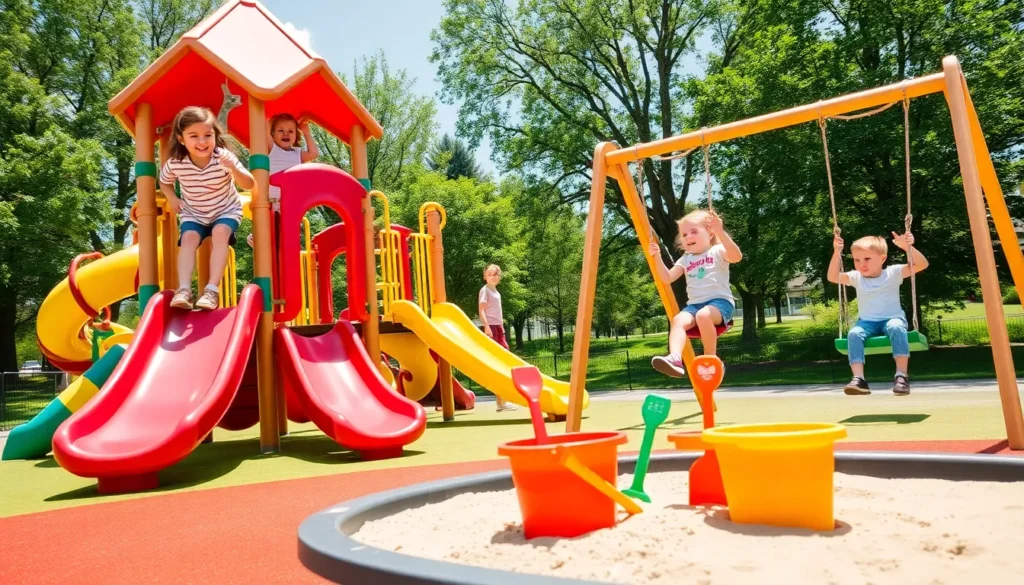

Picture this: kids running joyfully under the sun, laughter echoing as they conquer climbing structures, and splashing in water play stations. Sounds delightful, right? Well, outdoor play isn’t just about letting off steam: it’s crucial for childhood development. Let’s jump into why investing in outdoor play equipment for young ones can transform not just their afternoons but also their growing minds and bodies. Who knew a playground could be a mini-university for life skills?
The Importance Of Outdoor Play For Young Children
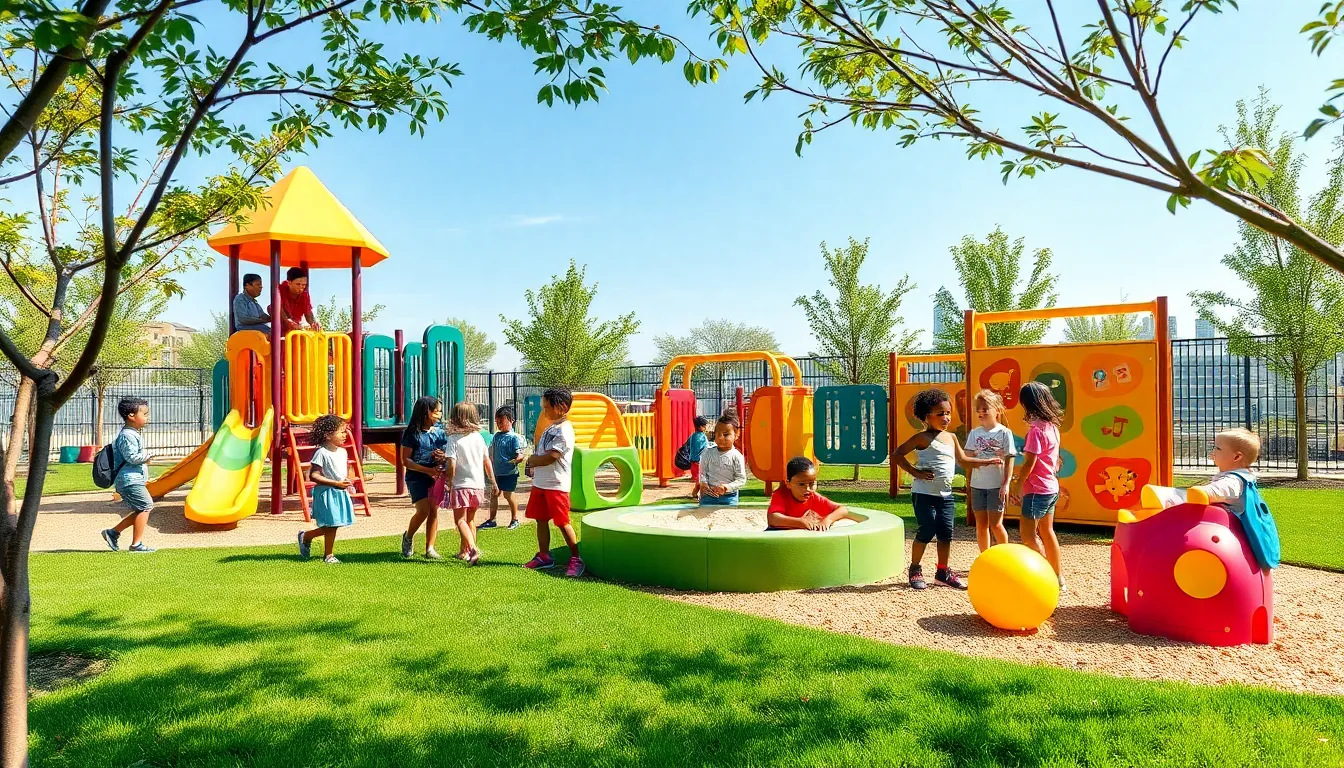
Outdoor play serves as a vital foundation for children’s development. It promotes physical growth, improves motor skills, and enhances social interactions. When children play outside, they’re not just burning off that extra energy they’ve stored up since breakfast: they’re also learning to take risks, solve problems, and work with peers. Nature provides a diverse classroom, allowing kids to explore textures, sounds, and sights, all while getting their heart rates up and their imaginations fired up.
Studies suggest that outdoor play positively impacts emotional well-being too. Children often exhibit reduced stress levels when they have the opportunity to engage with their environment. Those moments of joy and laughter transform into cherished memories, which is essential at such a formative age. Truly, outdoor play is where the magic of childhood happens.
Types Of Outdoor Play Equipment
Choosing the right outdoor play equipment can enrich a child’s playtime experience. Here are some popular options that cater to various ages and play styles:
1. Climbing Structures and Slides
These are essential for physical development. Climbing structures encourage cardiovascular health, while slides offer a thrilling descent that boosts confidence.
2. Swing Sets
Swing sets remain a timeless favorite. The gentle back-and-forth motion helps children develop balance and coordination while allowing their imaginations to soar.
3. Sand and Water Play Stations
These playstations provide sensory experiences that are often irresistible. Children love scooping, pouring, and building, which enhances their fine motor skills and creativity.
4. Balance Beams and Logs
These structures can improve balance and spatial awareness. Children learn to navigate challenges while integrating fun and physical activity.
5. Musical Instruments and Interactive Panels
Engaging with musical instruments fosters creativity and promotes auditory skills. Children can collaborate on spontaneous jam sessions, unleashing their inner musicians.
Choosing The Right Equipment For Different Age Groups
Selecting the best outdoor play equipment for different age groups is crucial to ensure safety and engagement. Toddlers may prefer lower climbing structures and soft play mats, while preschoolers might enjoy more challenging climbing and swinging options.
For older children, adventure-based equipment such as zip lines or larger jungle gyms can be captivating. It’s important to balance thrill and safety, providing slightly advanced equipment for growing abilities promotes healthy risk-taking and builds confidence. Be mindful of equipment size and complexity, ensuring it aligns with the developmental milestones of the intended age group.
Safety Considerations For Outdoor Play Equipment
Safety shouldn’t be an afterthought when it comes to outdoor play equipment. Parents and caregivers should conduct regular checks for hazards, ensuring age-appropriate structures are in place. Soft surfacing materials like rubber mats or wood chips can lessen the impact of falls.
Clear visibility is essential so that supervising adults can keep an eye on the kids. Also, selecting equipment made from non-toxic materials is a must. Guidelines and standards from organizations like the American Society for Testing and Materials (ASTM) provide valuable information on safety compliance, making it easier to choose reliable products.
Creating An Engaging Outdoor Play Environment
Designing an engaging outdoor play environment goes beyond just setting up equipment. Integrate diverse areas such as quiet spaces with benches for rest and social interaction corners for small group activities. Plants, trees, and natural features can serve as beautiful backdrops, inviting exploration.
Incorporating educational elements like gardening patches or interactive signs about local wildlife can enrich the experience further. Remember, the key is to make the outdoor environment not just a playground, but a space for learning, creativity, and exploration.